
Research & Ideation
- Janine De Leon

- Oct 22, 2018
- 2 min read
I went online to research on pandemics that have happened on the past, focusing on the more deadly ones. I came across the Spanish Flu, which took place in 1918. Although there have been pandemics that took place after the tragic Spanish Flu, many agree that none of them were as deadly. It managed to infect 500 million people worldwide. It caused the death of up to 100 million people, a staggering five percent of the world's population at the time.
So what made it so deadly?
I won't go into the details of how the virus itself works, but to sum it up, the virus caused death by overreaction of the immune system. Seeing as our immune system is what fights off any harmful pathogens in our body, the fact that the virus attacks our immune system is dangerous enough. However, it was the circumstances that made the virus as deadly as it was. It happened during the first World War, so it's strongly speculated that transmission of the virus was heightened because of the large movements of troops to and from places. Modern transport systems also made it a lot easier for civilians to travel and spread the disease. Overcrowding in medical facilities and poor hygiene also facilitated the spreading of the disease.
From the research, we identified overcrowding and unnecessary human contact as one of the main issues that made the Spanish Flu a lot more deadly than it actually could have been.

Sharing the research with the group, we brainstormed a few ideas. Eventually, we settled on creating a website to help deal with the above identified issues.
We also proceeded to evaluate certain existing healthcare applications and services, like Doctor Anywhere.

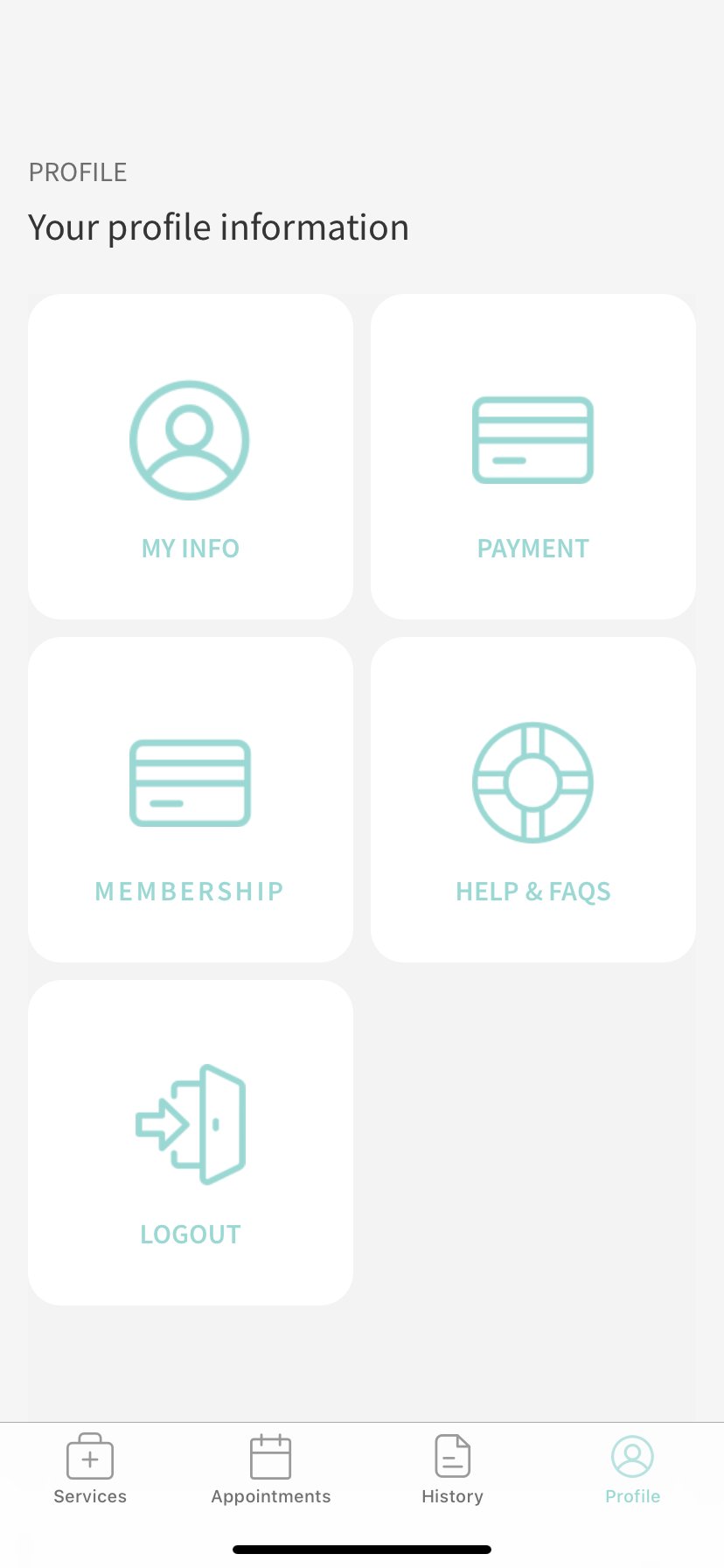

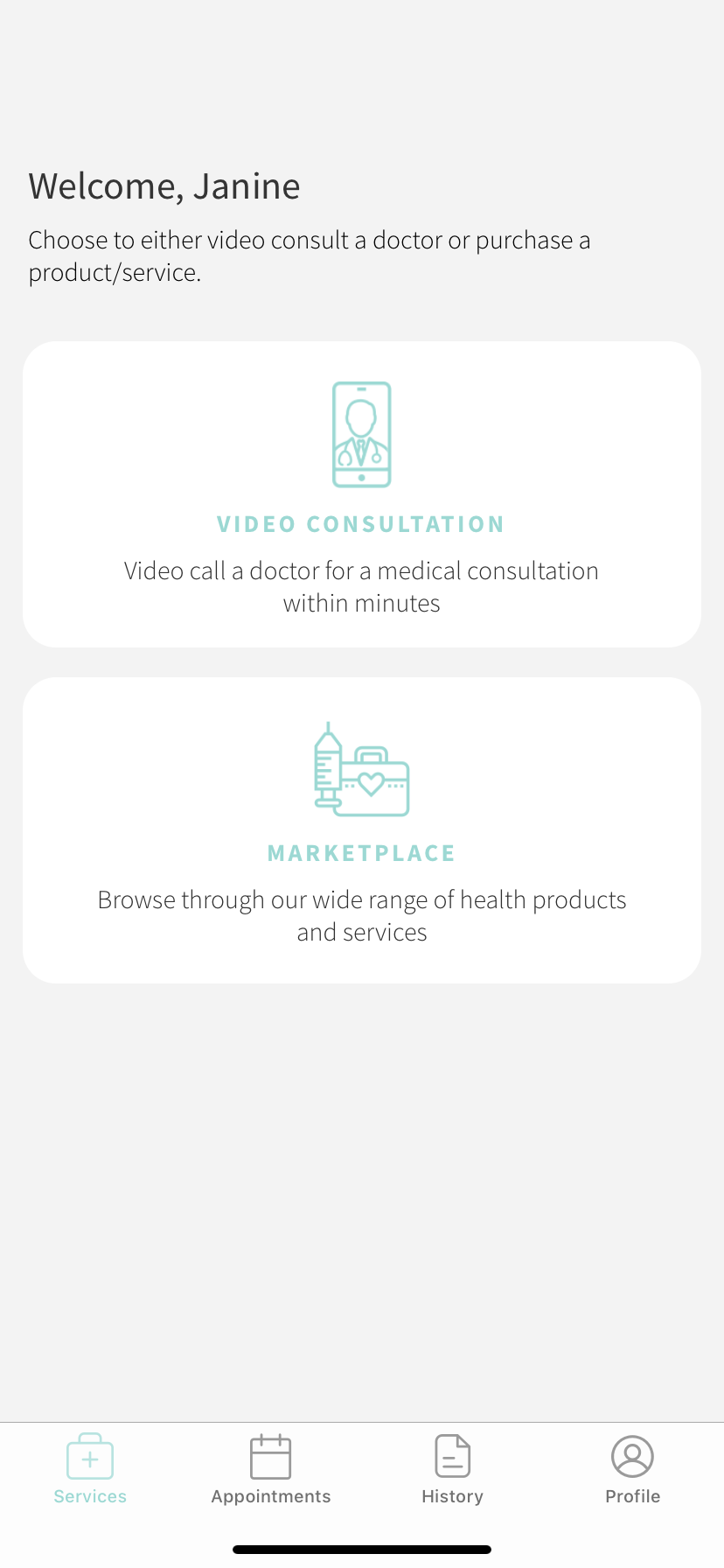

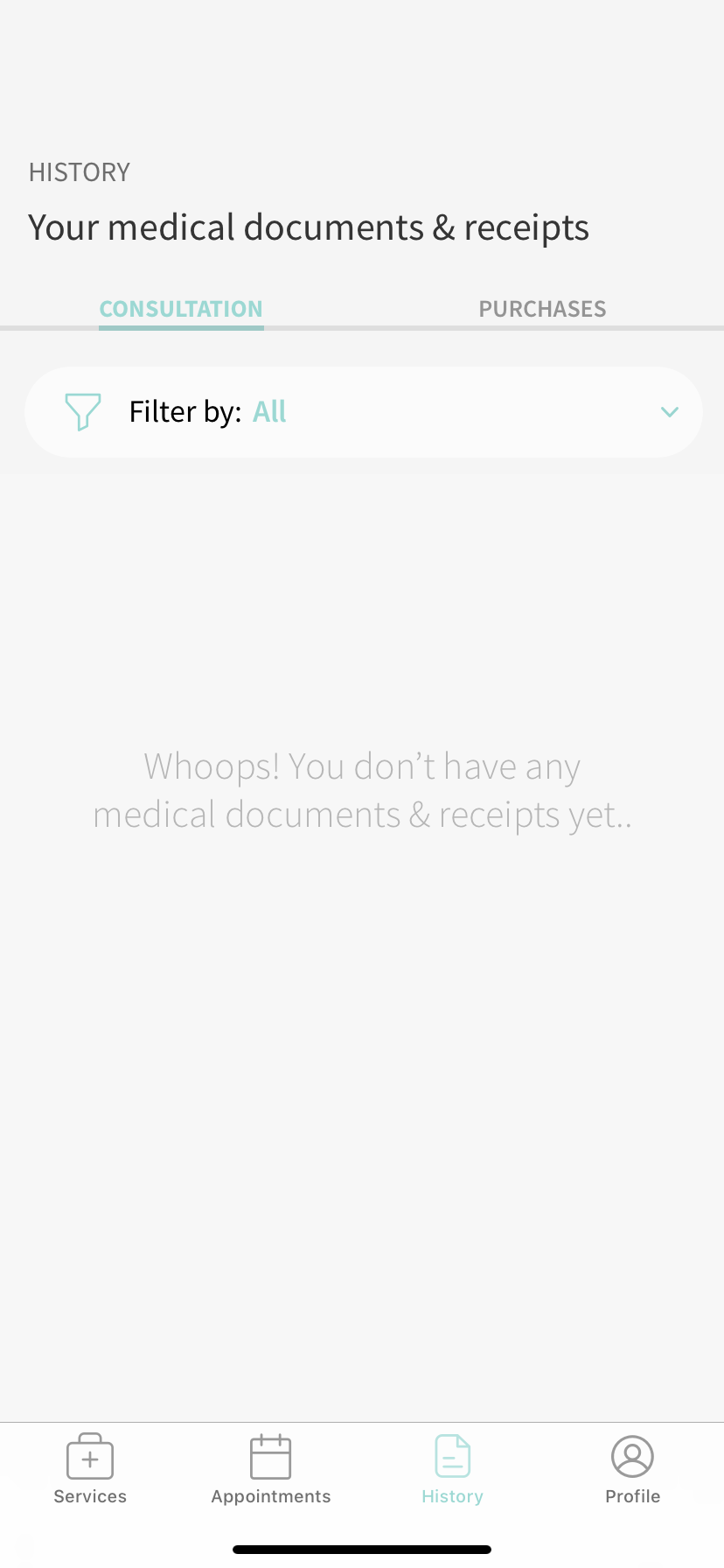

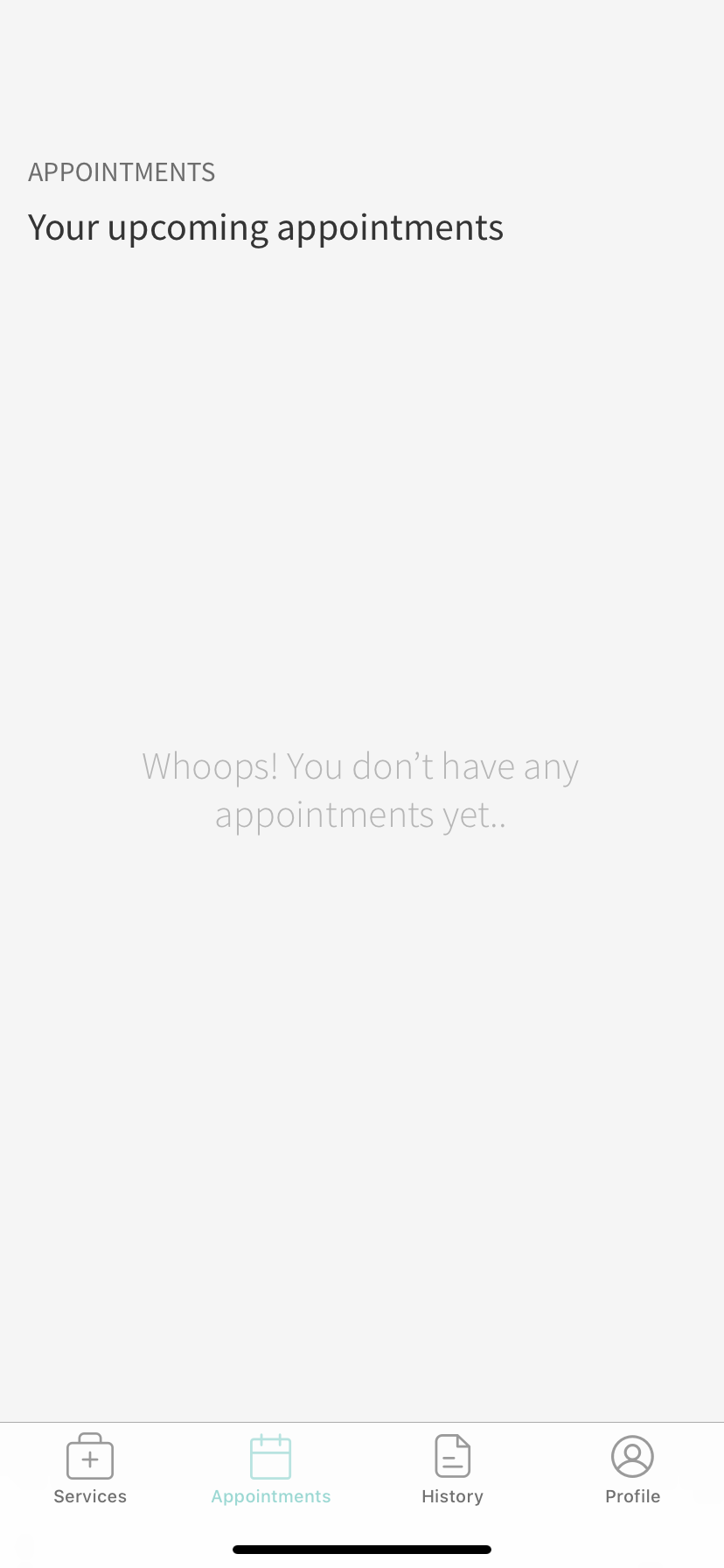

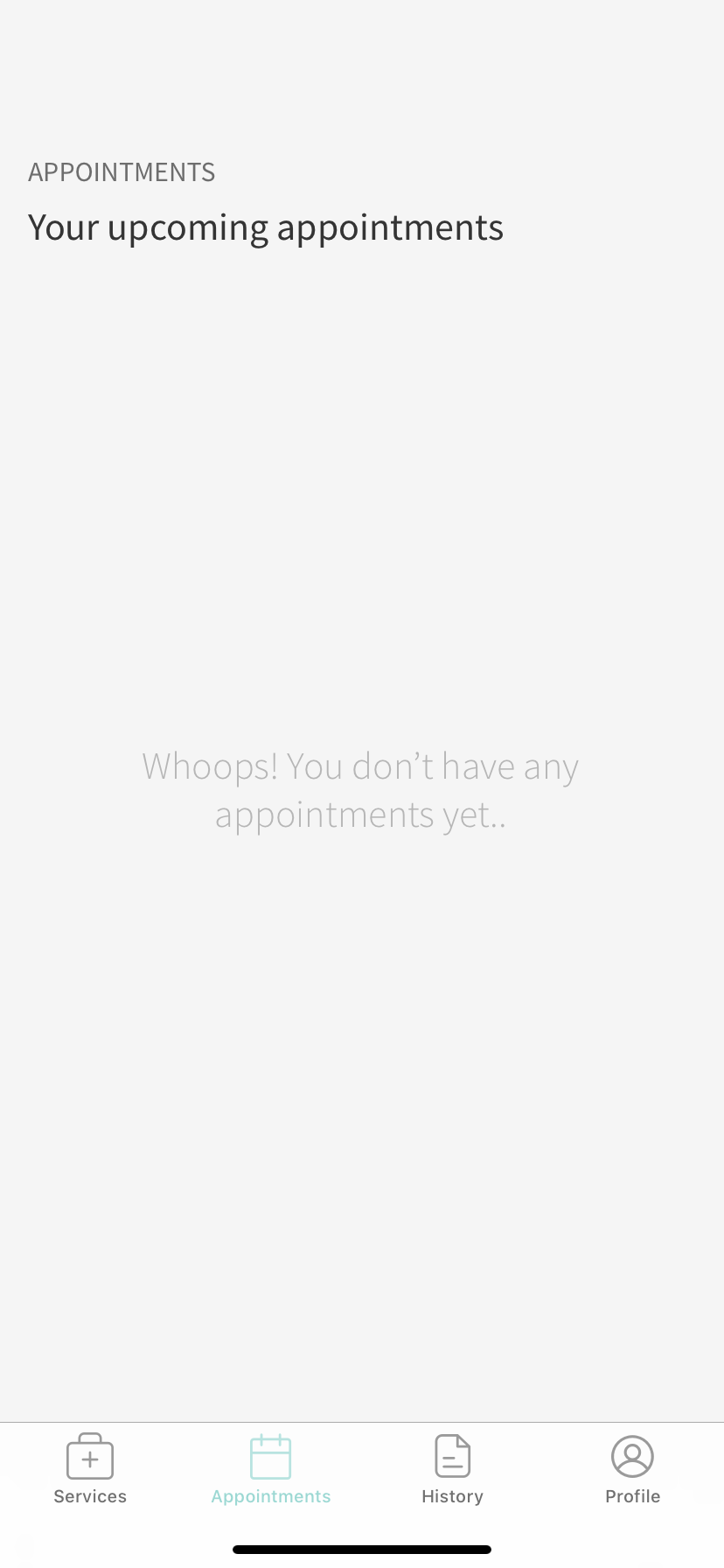
The above are screenshots of the Doctor Anywhere application, civilians' interface. There is a separate application for providers to use to contact their patients. However, I did not download it as it would be pointless as I have no credentials and would not be able to access it anyway.
We also observed the polyclinic website to see the current features available on it.
From here, we came up with some of the features we wanted to implement. I then prepared some interview questions to ask my friend Arina, who is a nursing student who has been attached to a polyclinic for school. I suggested interviewing her as I felt like she has firsthand experience in knowing what it's like working in a medical facility that people are most likely to go to during pandemics, and she would have knowledge of the ongoing protocols in the clinic.


Comments